

BOILER PROJECT DELIVERY
Industrial Boiler Installation & Commissioning Checklist
Check installation, utilities, controls and startup in sequence. Record protection tests and performance results before handover.
QUICK ANSWER
Commission by system, prove every protection, and record the accepted baseline.
Mechanical completion
Verify installed equipment, piping, supports, access, cleanliness and documented inspection status.
Functional testing
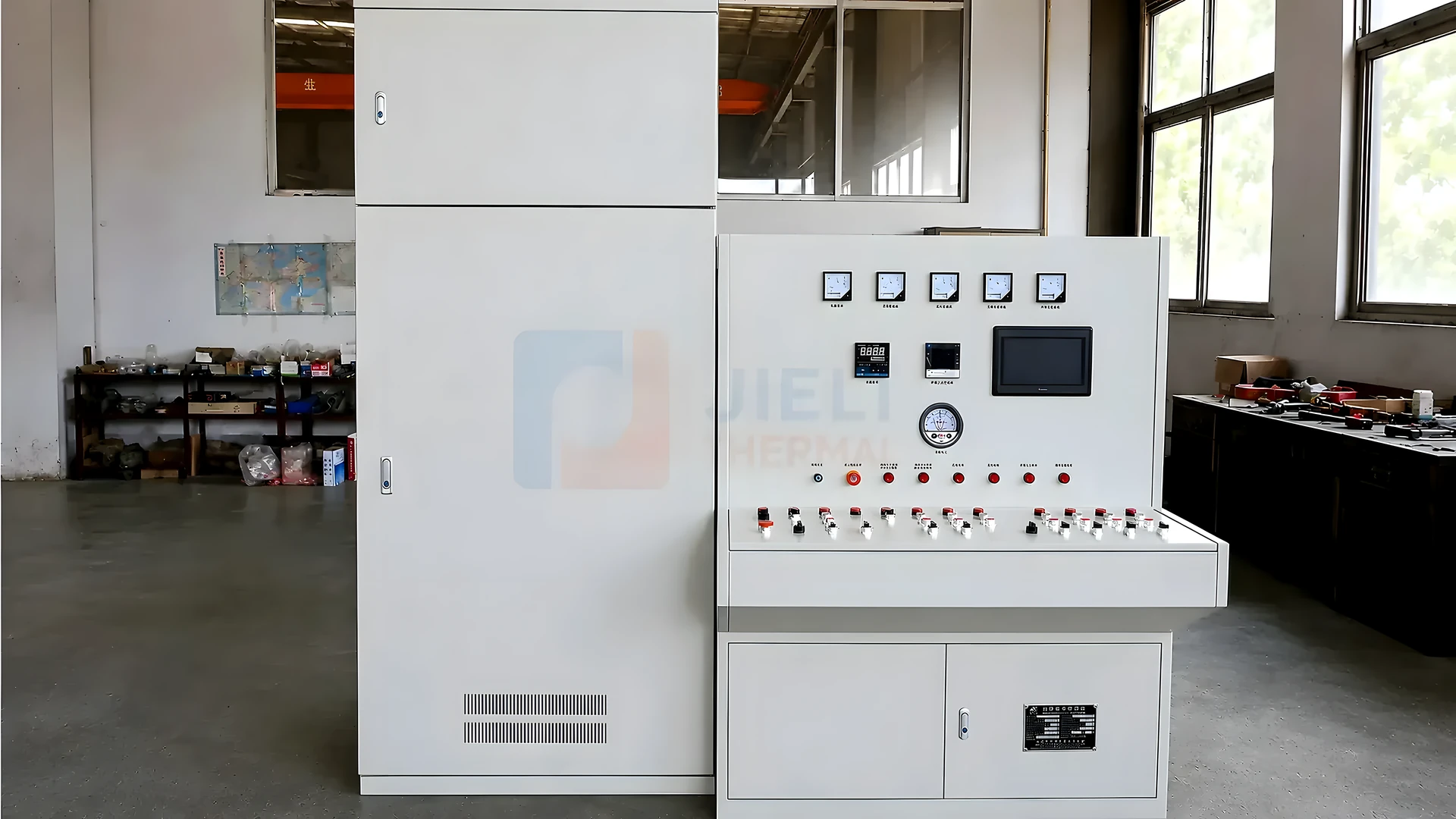
Prove instruments, alarms, trips, valve actions, fans, pumps and fuel-safety logic before hot operation.
Performance baseline
Record stable load, temperatures, pressures, oxygen, fuel, water and emissions on an agreed test basis.
Commissioning requires qualified personnel, approved procedures and the applicable inspection and permit requirements.
01 · RESPONSIBILITY MATRIX
Define who designs, installs, inspects, starts and accepts each system.
Confirm scope, drawings, P&IDs, inspection plan, approvals, utilities, control logic and manuals. Name the party responsible for each system.
Define interfaces for fuel, power, water, steam or oil, drains, vents, stack and controls. Assign each open item an owner and due date.
02 · MECHANICAL COMPLETION
Verify the installed plant against approved documents.
| Area | Completion evidence | Common risk |
|---|---|---|
| Foundation and access | Levels, anchors, platforms, ladders and maintenance clearances | Loads or service space missed |
| Pressure equipment | Nameplates, inspection records, valves and instruments | Wrong rating or incomplete documentation |
| Piping | Line walk, supports, slopes, expansion, vents and drains | Stress, trapped liquid or water hammer |
| Fuel and flue gas | Leak tests, purging route, dampers, ducts and stack | Unsafe mixture or uncontrolled furnace pressure |
| Electrical | Earthing, rotation, protection, cable IDs and enclosure condition | Wrong motor direction or missing interlock |
Complete cleaning and pressure or leak testing. Check removal or reinstatement of test blinds, temporary connections, strainers and shipping restraints.
03 · AUXILIARIES AND UTILITIES
The boiler body cannot commission an incomplete plant.
Verify utilities and auxiliaries at their required conditions. Check pump and fan performance, not only motor rotation.
For solid fuel, test feeding, grate, ash and dust systems. For gas or oil, test the fuel train, pressure switches and burner-management interfaces.
04 · INSTRUMENTS, ALARMS AND TRIPS
Test the cause-and-effect matrix from field device to final action.
Calibrate instruments and check units, ranges and setpoints. Test each field signal through to the final valve, burner, fan, pump or damper action.
Test every safeguard in the approved matrix, including applicable water-level, pressure, flow, temperature, flame, draft and fuel-pressure trips.
05 · COLD COMMISSIONING
Prove configuration and sequence before introducing heat.
The UK Health and Safety Executive describes commissioning as a logical progression that verifies installed plant is functional and fit for purpose, including configuration checks, alarm and trip verification, and cleaning of lines and vessels. A practical cold sequence includes line walking, valve-position verification, rotation checks, permissive tests, simulated trips, pump or fan runs, control-loop checks and communication tests.
Record and sign the results. Resolve failed safety functions before proceeding.
06 · HOT COMMISSIONING
Raise load in controlled stages and compare with the design basis.
Hot commissioning follows the manufacturer’s approved startup procedure and site permit. Establish circulation or water level, ventilation and purge conditions before firing. Increase temperature, pressure and load in stages while trending metal or fluid temperatures, steam condition, furnace pressure, oxygen, fuel pressure, fan position, pump current, vibration, leaks and expansion movement.
For steam systems, confirm water-treatment control, steam-line warm-up, drainage, traps, condensate return and blowdown. For thermal-oil systems, remove air and moisture according to the approved procedure, maintain minimum circulation, watch expansion-tank level and confirm that bulk and film-temperature protection remains effective. Operators must be trained on normal startup, shutdown, upset response and emergency isolation.
07 · PERFORMANCE AND HANDOVER
Agree the test boundary before comparing guarantees.
At stable agreed conditions, record useful output, fuel flow and heating-value basis, feedwater or return-fluid condition, stack temperature, oxygen, auxiliary power, emissions and ambient conditions. Identify whether efficiency is gross or net and LHV or HHV. A test at a different load or fuel cannot be compared directly with the contract point.
The handover package should include approved as-built drawings, certificates, material and inspection records, test sheets, instrument calibration, setpoint list, software backup, manuals, spares, maintenance schedule, training attendance, punch-list status and the accepted operating baseline. Link the final plant record to the relevant project case and product documentation without disclosing confidential client data.
Industrial boiler installation and commissioning checklist
- Approved scope, code, P&ID, layout, cause-and-effect and responsibility matrix;
- Civil, structural, pressure-part, piping, electrical and access completion;
- Water, fuel, thermal fluid, air, power, drainage and emissions auxiliaries ready;
- Cleaning, flushing, leak or pressure tests completed and reinstatement verified;
- Instruments calibrated and every alarm, permissive and trip function tested;
- Cold sequence completed before controlled hot commissioning;
- Performance test boundary, method and acceptance criteria agreed;
- As-built records, software, manuals, spares and operator training handed over.
TECHNICAL REFERENCES
Safety and system references.
- UK HSE — Operating procedures and commissioning sequence
- UK HSE — Safe management of industrial steam and hot-water boilers
- U.S. Department of Energy — Improving Steam System Performance
- JIELI — Complete-system scope and engineering interfaces
Use this checklist with the equipment startup and acceptance-test procedures.
FREQUENTLY ASKED QUESTIONS
Boiler installation and commissioning FAQ
Who should commission an industrial boiler?
Qualified personnel working under the manufacturer procedures, applicable code, local authority requirements and the site permit-to-work system. Responsibilities should be agreed before installation.
What is the difference between cold and hot commissioning?
Cold commissioning verifies configuration, utilities, rotation, instruments, controls, alarms, trips and sequences without normal firing. Hot commissioning introduces heat in controlled stages and confirms operating and performance behavior.
Which boiler safety trips should be tested?
Test every safeguard in the approved cause-and-effect matrix, such as flame, water level, pressure, temperature, flow, furnace pressure, fans, pumps, fuel pressure and emergency stop. The exact list and setpoints are project-specific.
What documents should be handed over after commissioning?
Typical records include as-built drawings, certificates, inspection and test records, calibration, setpoints, software backup, manuals, spares, training, punch-list status and the accepted operating baseline.
RELATED ENGINEERING GUIDES
Continue from commissioning into piping, heat recovery and boiler configuration.
JIELI THERMAL ENGINEERING
Define commissioning evidence before the equipment reaches site.
Send the project country, boiler type, scope boundary, layout, utilities and local approval route. JIELI can align equipment documents and commissioning support with the contracted responsibility matrix.
Request a commissioning scope review