


Engineering features
- Fuel-adapted feeding and grate systems
- Coordinated combustion and draft control
- Boiler auxiliaries matched to the steam demand
- Complete system layout and integration
Steam Boiler
JIELI biomass-fired steam boilers cover a published 1–30 t/h range for wood chips, pellets and project-approved residues. Compare DZL model data and operating-site footage. Send steam demand, pressure, biomass type and country; fuel moisture and ash are checked before final selection.
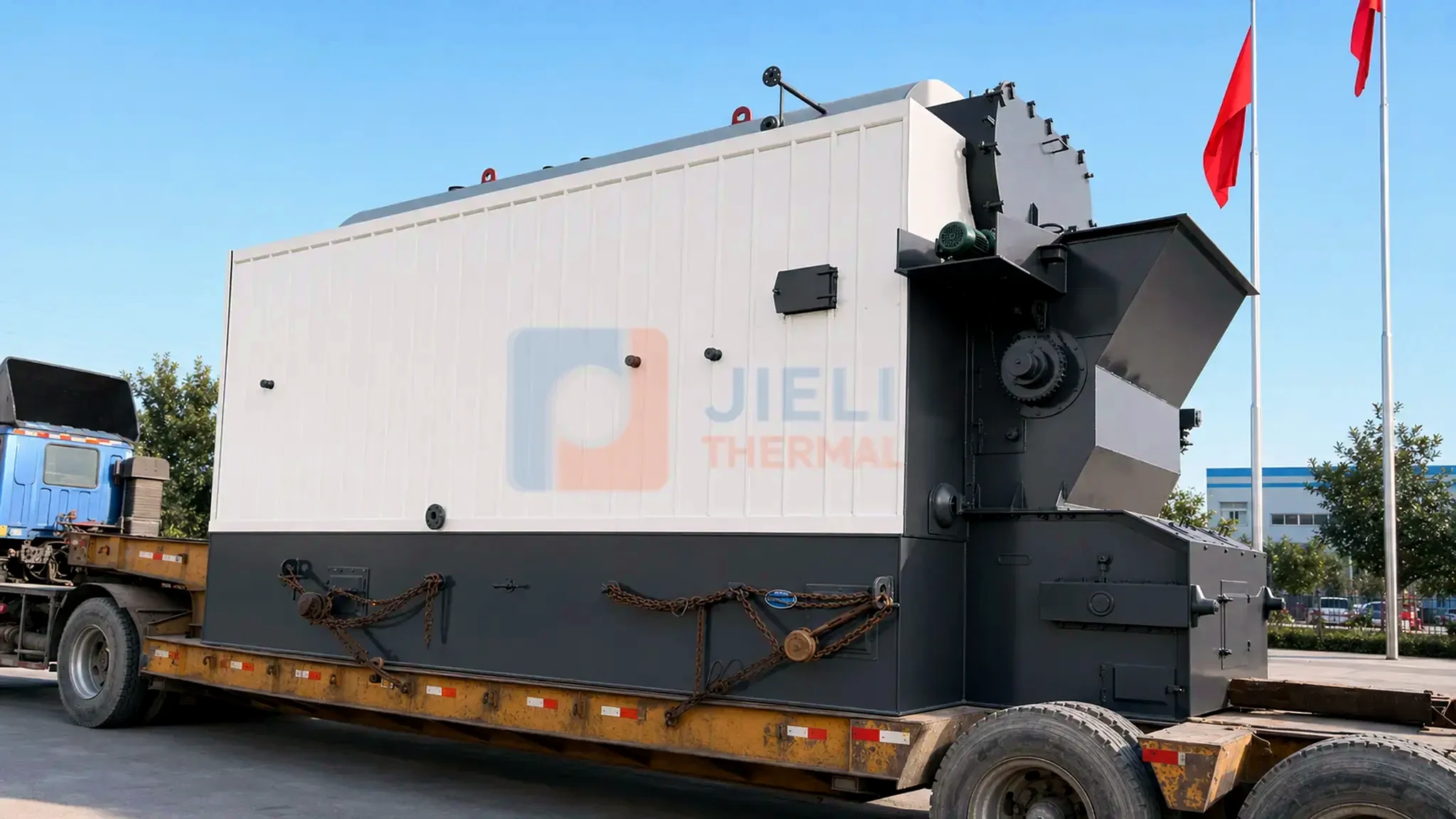
System overview
A biomass-fired steam boiler must match both the delivered fuel and the factory steam demand. Wood chips, wood pellets, rice husk and palm kernel shells need separate checks of moisture, size, ash and as-received heating value; they are not automatically interchangeable. Compare the DZL biomass steam boiler model data and use the biomass fuel-consumption calculation guide to prepare a common fuel basis for the furnace, feeding, draft and ash-handling proposal.
Equipment and project gallery
JIELI THERMAL equipment and manufacturing views. Some images are digitally retouched for presentation; these are not unaltered site records. Select an image to read its description.
Documented biomass steam references: overseas biomass superheated-steam boiler installation and Thailand biomass boiler project.
Real project video
This field video documents a DZW-21 biomass-fired steam boiler installation and shows the scale of the boiler, fuel-handling path and plant interface. For wood chips and other biomass fuels, JIELI matches feeding, grate and furnace design, draft, dust and ash handling, water treatment, controls and the site supply boundary as one steam-generation system.
Technical parameters
The table below is translated from the technical data supplied for this product family. Final selection is confirmed against your fuel, operating conditions and project requirements.
| Model | Steam output | Catalogue pressure, MPa |
|---|---|---|
| DZL2 | 2 t/h · 2,000 kg/h | 0.7 |
| DZL4 | 4 t/h · 4,000 kg/h | 0.7 |
| DZL6 | 6 t/h · 6,000 kg/h | 1.25 (0.7) |
| DZL10 | 10 t/h · 10,000 kg/h | 1.25 (0.7) |
| DZL20 | 20 t/h · 20,000 kg/h | 1.25 (0.7) |
| DZL30 | 30 t/h · 30,000 kg/h | 1.6 (1.25) |
Selected entries from the full DZL catalogue below; pressure notation is retained from the supplied data. The chosen pressure, fuel moisture, heating value, grate and emissions scope require project confirmation.
Request a model and price check →| Technical parameter | Unit | DZL1 | DZL2 | DZL4 | DZL6 | DZL8 | DZL10 | DZL15 | DZL20 | DZL30 |
|---|---|---|---|---|---|---|---|---|---|---|
| Rated evaporation capacity | t/h | 1 | 2 | 4 | 6 | 8 | 10 | 15 | 20 | 30 |
| Rated working pressure | MPa | 0.7 | 0.7 | 0.7 | 1.25 (0.7) | 1.25 (0.7) | 1.25 (0.7) | 1.25 (0.7) | 1.25 (0.7) | 1.6 (1.25) |
| Steam temperature | °C | Saturated | Saturated | Saturated | Saturated | Saturated | Saturated | Saturated | Saturated | Saturated |
| Feedwater temperature | °C | 20 | 20 | 20 | 20 | 20 | 20 | 20 | 20 | 20 |
| Available fuel | — | Biomass pellets, wood chips and other project-specified biomass fuels | ||||||||
| Thermal efficiency | % | ≥83 | ||||||||
| Overall length | mm | 4520 | 5590 | 6620 | 7100 | 7690 | 8500 | 8650 | 9890 | 10400 |
| Overall width | mm | 1720 | 2120 | 2810 | 3100 | 3340 | 3700 | 4200 | 4380 | 5620 |
| Overall height | mm | 3030 | 3160 | 3595 | 4000 | 4200 | 5360 | 5470 | 6900 | 7630 |
Values are translated from the supplied technical parameter sheets and are intended for preliminary selection. Product data may be updated as designs evolve; final performance, dimensions and configuration are subject to the confirmed technical proposal.
Download 20 WNS / DZL model records and project input sheet (Excel, EN / ES). Filter the models and fill in your project requirements before requesting a proposal. Published catalogue data for preliminary selection; final dimensions and operating conditions require technical confirmation.
BIOMASS FUEL AND STEAM DUTY
A biomass-fired steam boiler must deliver the required steam with the fuel actually available at the plant. State normal, peak and minimum steam demand alongside fuel moisture, size and calorific value. A capacity quoted for dry pellets is not directly comparable with one based on wet wood chips.
JIELI coordinates fuel feeding, grate, draft fans, dust collection, feedwater, economizer and controls with the confirmed site conditions. Review the biomass steam boiler project photographs for equipment context; confirm steam condition, auxiliary scope and site-assembly responsibilities for your order.
Selection starts with data
For a wood-fired or rice-husk steam boiler, define the actual fuel and its moisture, particle size and ash before comparing grate, feeding and emissions equipment. Steam pressure, feedwater and condensate return also change fuel demand. Review the biomass boiler fuel-consumption basis, then separate boiler, auxiliaries, freight and site assembly in each quotation.
STEAM DUTY AND PLANT REQUIREMENTS
Start with the steam conditions required by the process, then match the boiler, biomass combustion system and water-side equipment. A tonne-per-hour rating without the pressure, load profile and feedwater conditions is not a complete procurement specification.
List normal, peak and minimum steam demand, pressure required at the point of use, operating hours and any future allowance. Identify whether saturated or superheated steam is required. Review distribution conditions before confirming the boiler operating pressure.
Provide a source-water analysis and the expected quantity and condition of returned condensate. Define water treatment, deaeration where required, feedwater equipment, blowdown and condensate recovery in the steam boiler selection basis. Do not assume the boiler-body quotation includes these systems.
Confirm preferred controls and instruments, site power supply, installation space and shipping constraints. Separate factory supply, site assembly, piping, wiring and commissioning responsibilities so competing quotations cover the same work.
FUEL ACCEPTANCE AND COMBUSTION
A wood-chip, pellet, rice-husk or palm-kernel-shell steam boiler needs a defined fuel acceptance range. Send representative fuel data and the expected variation before fixing the feeding, grate, furnace, air-distribution, dust and ash systems.
For a wood-fired steam boiler, provide moisture, particle-size distribution, bulk density, ash and calorific value. Identify fines, oversize pieces and contamination. Compare the proposed storage and feeding arrangement with the actual form of the supplied fuel.
For a rice-husk or palm-kernel-shell steam boiler, send representative fuel analysis, ash behavior and available information on contaminants. Confirm the required dust-control and ash-handling scope against the fuel and local emissions limits. A fuel name alone is not an acceptance specification.
List every intended fuel and blend range in the RFQ. Do not assume one biomass boiler can switch among chips, pellets, husk and palm residues without manufacturer review or system changes. Record the agreed usable fuel range, exclusions and operating conditions in the proposal.
Other solutions
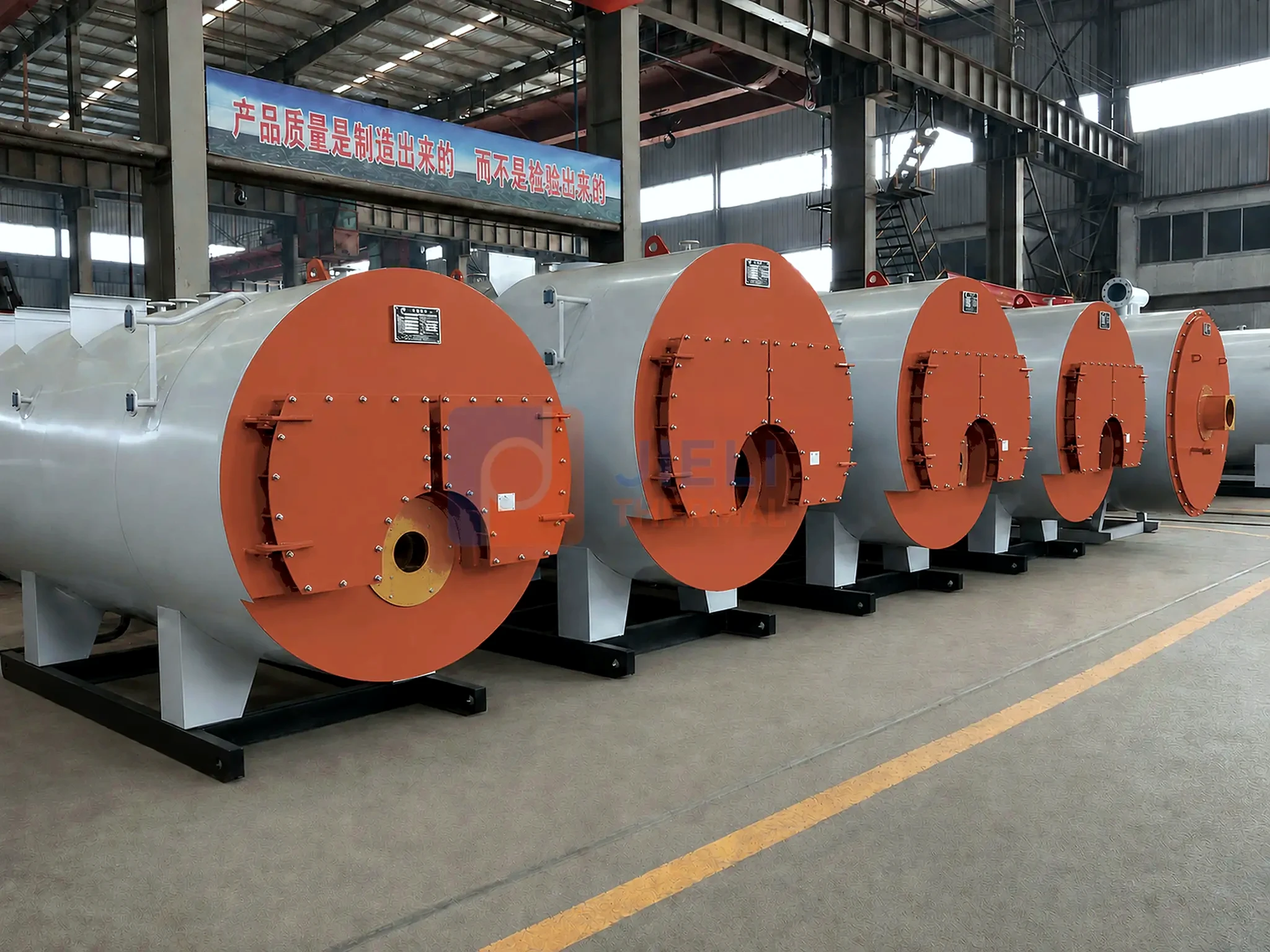
Steam Boiler
Industrial steam generation with compact integration, automated control and project-specific auxiliary systems.
View solution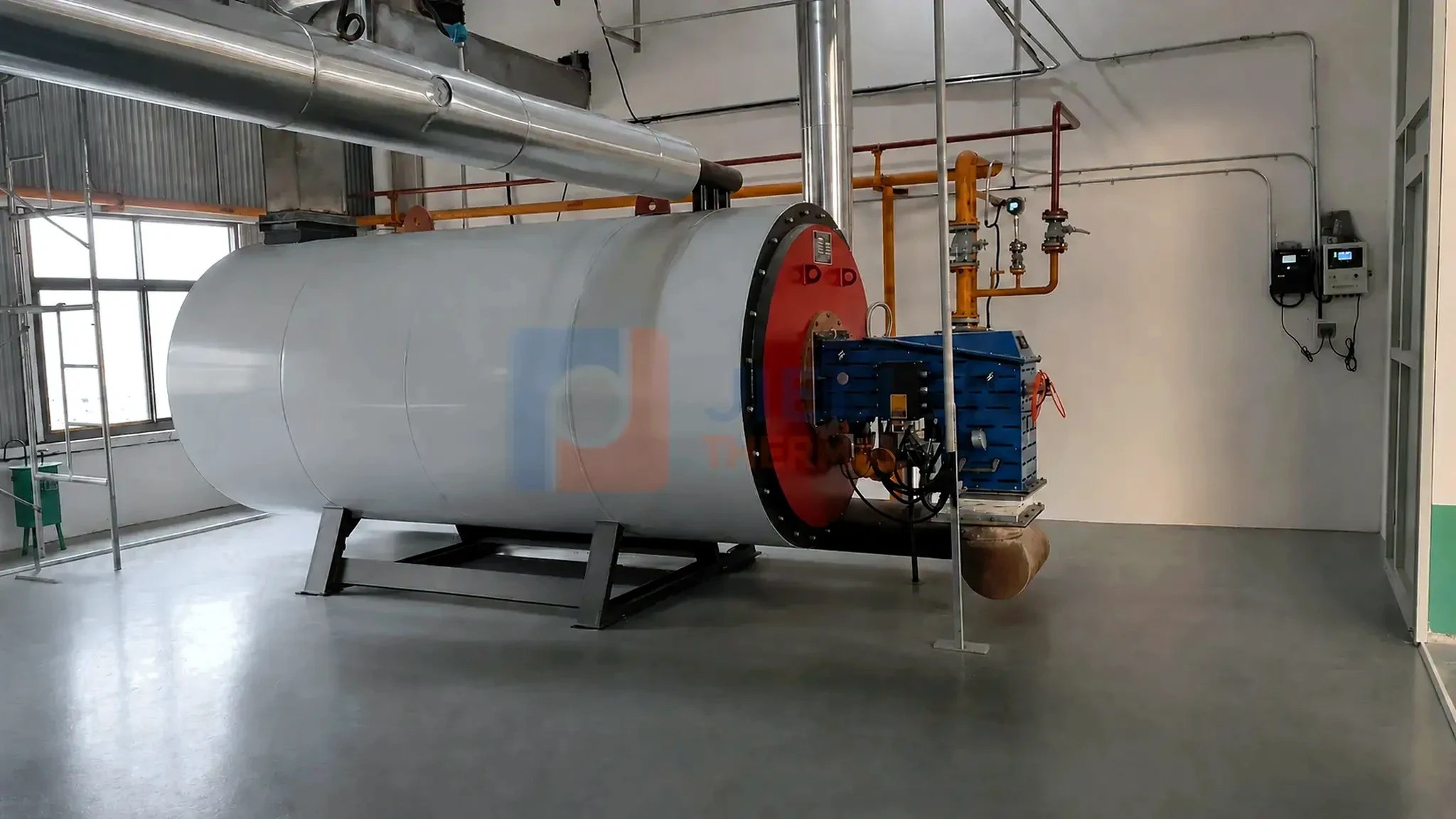
Thermal Oil Heater
Precisely controlled high-temperature process heating with clean combustion and flexible system integration.
View solution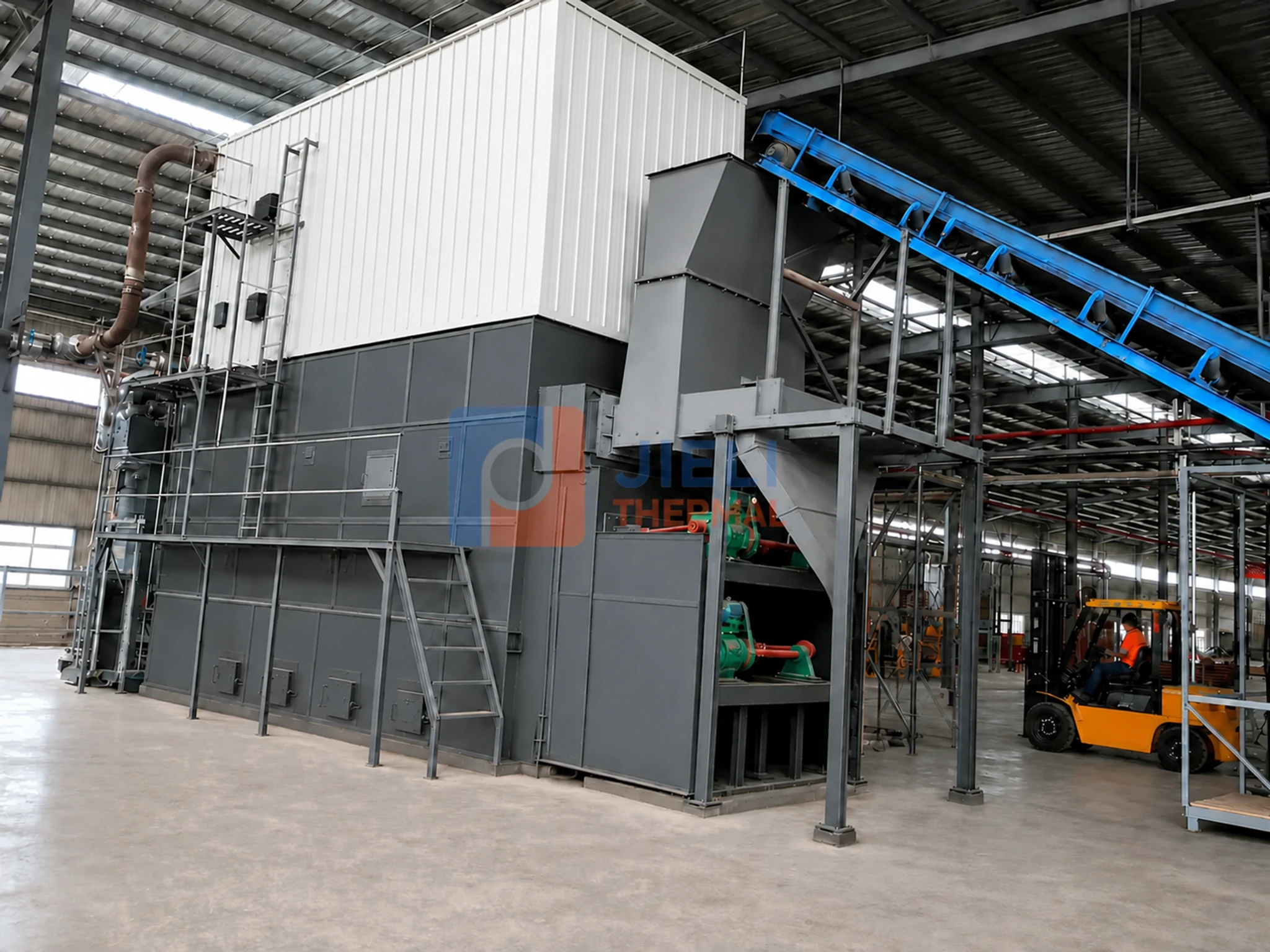
Thermal Oil Heater
Robust process-heating systems designed around biomass fuel characteristics and stable thermal-oil circulation.
View solutionREGIONAL FUEL ENGINEERING
For projects in South America or Southeast Asia, the useful starting point is the local fuel supply and the plant’s steam demand, not a country label. Review representative fuel data, seasonal availability, site conditions and the applicable emissions requirements before selecting equipment.
If the project will use wood chips, sawdust or agricultural residues, provide the proposed fuel analysis, available quantity, storage arrangement and operating schedule. Add site altitude, power supply and delivery constraints. For high-temperature indirect process heating, compare the biomass thermal oil heater before deciding on steam.
For rice-husk, palm-kernel-shell or wood-fuel proposals, confirm moisture, particle size, ash behavior and supply variability. Malaysia and Penang projects require the same fuel-specific review, together with local emissions and permitting requirements. Define steam pressure, water treatment, condensate return, fuel handling and ash collection as one project scope.
BUYER FAQ
These answers provide a preliminary engineering framework. Final configuration depends on the confirmed fuel, duty, site conditions, local requirements and contracted supply boundary.
Open the manufacturer evaluation checklistEstimate the project fuel range with the biomass steam boiler fuel-consumption calculation, then define feedwater and blowdown with the steam boiler water-treatment guide.
Provide representative moisture, ash, volatile matter, net calorific value, particle size, contaminants, bulk density and ash behavior. Include the likely range between seasons or suppliers.
Fuel feeding, grate, fans, feedwater and protections can be coordinated automatically, but stable operation still depends on consistent fuel preparation, suitable instrumentation, trained operators and planned maintenance.
Water quality affects scale, corrosion, blowdown and boiler reliability regardless of fuel. Raw water, condensate return and the required boiler-water limits must be reviewed before defining treatment.
Scope may include the boiler, fuel storage and feeding, grate, fans, dust collection, ash handling, economizer, water treatment, feedwater system, controls, chimney and agreed project documents.
Send normal, minimum and peak steam demand, pressure and temperature, operating schedule, fuel analysis, water analysis, condensate return, country, altitude, emissions limits, power and requested supply boundary.
PROJECT DATA TOOLS
Download the fillable checklist or spreadsheet before requesting a configuration. Normal and peak steam load, pressure, fuel, water analysis, operating schedule, project country and required supply scope help our engineers prepare a clearer first proposal.
Start a project
For a biomass-fired steam boiler quotation, start with steam output, pressure, biomass type and project country. Include fuel moisture if known, or describe how the fuel is stored. We will clarify seasonal fuel variation, feeding, grate, ash and water-system scope; mark missing values as "not known yet".