


INDUSTRIAL EQUIPMENT PROCUREMENT
How to Choose a Thermal Oil Heater Manufacturer: 12 Questions Before You Buy
Evaluate a thermal oil heater manufacturer by system engineering, coil-flow evidence, controls, documents, inspection, supply boundary and total project cost.
THE SHORT ANSWER
Choose the supplier that can explain the complete heat-transfer loop.
Technical evidence
- Duty, temperature and fluid assumptions;
- Coil flow, pressure drop and protection logic;
- Defined burner, pump, tank and control scope.
Commercial evidence
- Clear inclusions, exclusions and battery limits;
- Inspection, document and shipment plan;
- Installation and commissioning responsibilities.
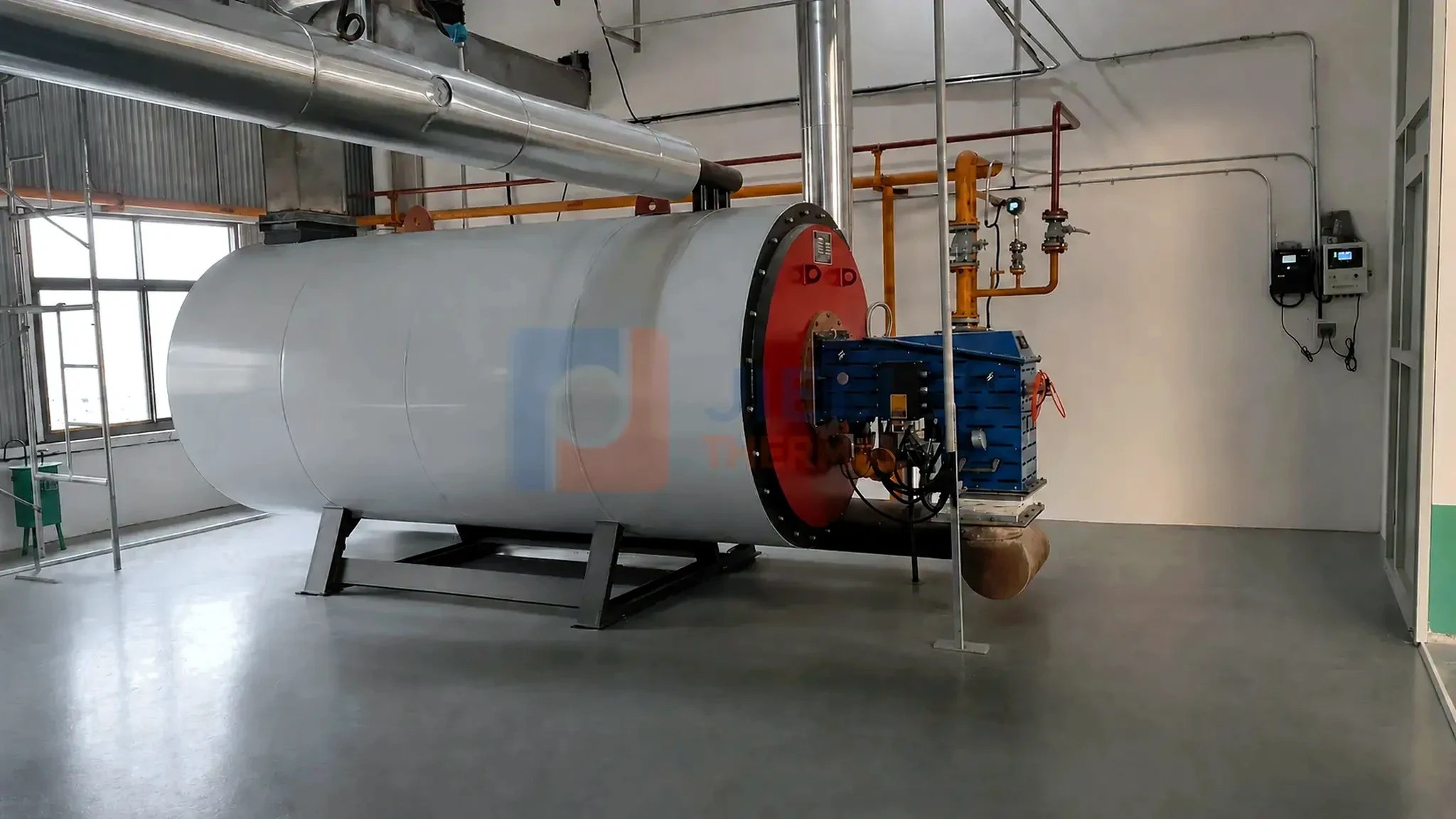
Compare the JIELI thermal oil heater range and manufacturing references against the process, fuel, emissions and destination requirements.
1. Does the manufacturer begin with your process—or a catalogue model?
Provide normal, minimum and peak heat duty, temperatures, fluid, users and operating schedule. Include the circulation-loop layout.
Require a written list of assumptions and items to confirm before manufacture.
2. Can the supplier explain coil flow, film temperature and pressure drop?
Ask for design and minimum flow, hot-fluid properties, coil pressure drop and low-flow trips. Check local film temperature as well as bulk outlet temperature.
Request the flow calculation, pump duty and loss-of-flow response. See the circulation pump guide.
3. Is the quotation a heater price or a complete thermal-fluid system?
List every supplied item and site interface. Assign responsibility for the heater, combustion, pumps, vessels, controls, heat recovery, piping, insulation and installation.
Heat generation
Heater body, combustion equipment, fans, fuel train or feeding, and agreed heat recovery.
Heat transport
Pumps, tanks, separation, valves, instruments and interfaces to process users.
Site responsibility
Piping, foundations, utilities, erection, commissioning roles and local approvals.
4. Are fuel equipment and safety controls matched to the site?
Specify gas pressure/composition or liquid-fuel viscosity and temperature. For solid fuel, supply moisture, ash, heating value, size and ash behavior. Match combustion and emissions equipment to the actual fuel.
Request a protection matrix for loss of flow, overtemperature, combustion faults, power failure and shutdown.
5. Are efficiency and capacity claims on the same test basis?
Compare useful output and efficiency at the same fuel LHV/HHV basis, load, fluid temperatures and heat-recovery scope. State auxiliary power separately.
Include part-load operation, standby losses, maintenance and fluid life in annual cost.
6. What inspection and document package will be delivered?
Agree code, local registration and the document list: drawings, data sheets, material and inspection records, test reports, electrical drawings, manuals and spares.
Define hold or witness points before fabrication. If third-party inspection is required, state the agency, scope, document review and witness schedule in the purchase specification.
7. Who owns packing, installation interfaces and commissioning?
Export projects fail at interfaces as often as at equipment. Confirm shipping dimensions and split points, preservation, marks, packing list, lifting information and which loose items ship separately. Ask what site drawings are issued before shipment and which utilities and foundations the buyer must prepare.
Commissioning support should have a written boundary: duration, travel and local costs, translator needs, tools, fuel and utilities, operator training, performance checks and remote support. Clarify spare and wear parts for the intended operating period.
8. Compare total installed and lifecycle cost—not only heater price.
| Cost area | Questions to normalize |
|---|---|
| Equipment | Which heater, burner or fuel equipment, pumps, tanks, controls and heat recovery are included? |
| Freight and site work | Who pays packing, inland transport, ocean freight, foundations, piping, insulation, erection and cranes? |
| Operation | What fuel, electricity, maintenance, fluid management and consumable assumptions are used? |
| Risk | Are code, emissions, documentation, inspection, commissioning and warranty interfaces defined? |
9. Thermal oil heater RFQ checklist
Send this minimum data set to each shortlisted thermal oil heater manufacturer so the proposals can be compared on one basis.
- Normal, minimum and peak heat duty, plus operating schedule and start-up requirement.
- Thermal-fluid name, required supply and return temperatures, and supplier temperature limits.
- Process users, piping distance and elevation, available layout and indoor or outdoor installation.
- Fuel specification, available pressure or preparation condition, local emissions limits and stack requirements.
- Country, altitude, ambient range, power supply, applicable code and language for documents.
- Required supply boundary, inspection plan, document list, delivery term and commissioning support.
Do not ask suppliers to hide assumptions. A transparent preliminary proposal is safer than an exact-looking price based on unknown conditions.
FREQUENTLY ASKED QUESTIONS
Questions buyers ask before placing an order
What should I ask a thermal oil heater manufacturer before requesting a price?
Provide heat duty, supply and return temperatures, thermal-fluid data, fuel, operating schedule, project location, altitude, power supply, emissions limits and preferred supply boundary. Ask the supplier to state assumptions and exclusions in writing.
Is the lowest thermal oil heater price usually the lowest project cost?
Not necessarily. Compare the heater, burner or fuel system, circulation pumps, expansion and storage, controls, heat recovery, freight, installation interfaces, commissioning support, spares and expected operating cost on the same boundary.
How can I compare thermal oil heater efficiency claims?
Require the test basis, fuel lower or higher heating value, load point, fluid temperatures, ambient conditions, included auxiliaries and any heat-recovery equipment. Values without a defined basis are not directly comparable.
Which documents should be included with a thermal oil heater?
The final document pack depends on the contract and applicable code, but may include approved drawings, data sheets, material and inspection records, operating manuals, electrical documents, packing lists and agreed test reports. Define the list before order.
Can one thermal oil heater manufacturer quote the complete system?
Yes, but the proposal must clearly state responsibility for the heater, burner or solid-fuel equipment, pumps, expansion and storage tanks, valves and instruments, controls, heat recovery, piping interfaces, installation and commissioning.
PREPARE A COMPARABLE RFQ
Send the same project data to every shortlisted supplier.
JIELI THERMAL can review your duty, fuel, site conditions and intended supply boundary. Any preliminary recommendation remains subject to confirmed project data and applicable local requirements.
Request a technical proposal