

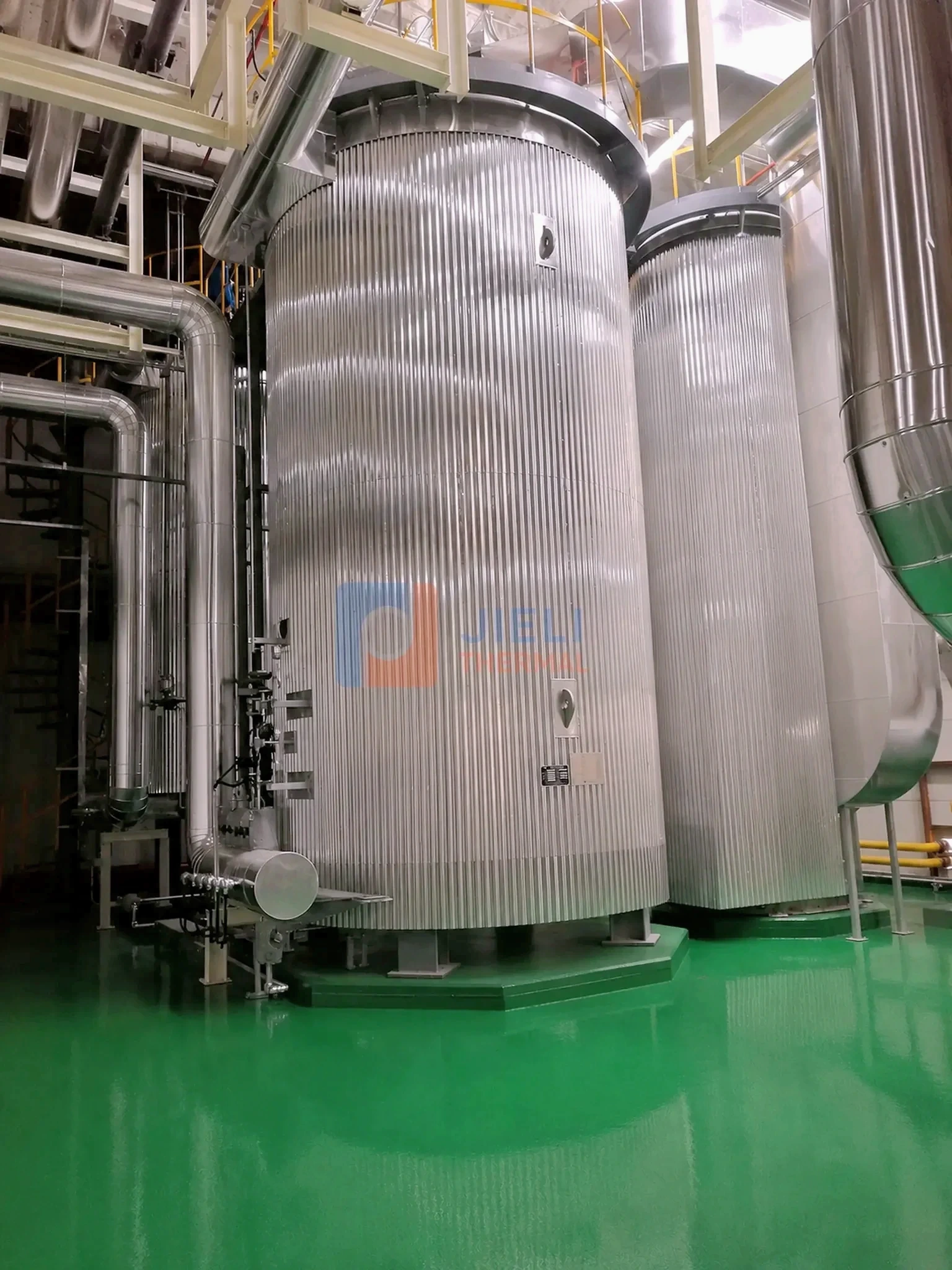
1. Where thermal oil is used in chemical processing
A thermal oil heater can supply indirect heat to reactor jackets, distillation reboilers, dryers, evaporators, mixing vessels and storage-tank coils. The fluid normally remains in the liquid phase, allowing high-temperature heat transfer without using steam at a corresponding saturation pressure.
This does not make thermal oil the automatic choice for every chemical plant. Steam may remain preferable where the process needs direct injection, sterilization, tracing or broad low-temperature distribution. Compare the two options in the thermal oil heater versus steam boiler guide.
2. Process data required before equipment selection
Begin with each heat user, its normal and peak duty, required inlet and outlet temperature, heat-up time and operating schedule. Then establish which users operate simultaneously and whether future branches are planned.
- Normal, minimum, peak and start-up heat demand in kW or MW
- Required thermal-oil supply and return temperatures
- Selected heat-transfer fluid and its property data over the operating range
- Fuel composition, pressure, viscosity or solid-fuel analysis as applicable
- Project altitude, ambient temperature, electrical supply and plant layout
- Hazardous-area classification, emissions limits and local design code
- Operating philosophy, redundancy requirement and planned maintenance windows
3. Heater, fuel and load-control choices
A gas- or oil-fired thermal oil heater is commonly evaluated where clean combustion, automatic modulation and compact integration are priorities. A biomass-fired thermal oil heater may be considered where consistent biomass fuel and the required handling, ash and emissions systems are available.
The burner or combustion system must be checked across the actual load range. A large nameplate margin can create unstable low-load cycling, while inadequate turndown or circulation can expose the fluid to excessive film temperature. Heater duty, coil geometry, flow permissives and control range therefore need to be reviewed together.
4. Complete thermal oil system boundary
A useful quotation separates battery limits and assigns responsibility for every interface. Typical scope items include:
- Fired heater, burner or fuel-feeding equipment and stack interface
- Duty and standby circulation pumps, strainers, valves and balancing devices
- Expansion tank, deaeration arrangement, filling and drain or storage tank
- Supply and return headers, user branches, bypasses and insulation interfaces
- Temperature, flow, pressure and differential-pressure instrumentation
- PLC/HMI, burner management, permissives, trips and plant communication
- Flue-gas heat recovery and emissions-control equipment when required
Use the thermal oil circulation pump guide and expansion tank sizing guide to prepare preliminary project data.
5. Chemical-plant safeguards and operability
Common protection functions evaluate minimum circulation, heater outlet temperature, fluid condition, expansion-tank level, pump status, burner flame and fuel conditions. The exact sequence depends on the fuel, fluid, heater design and local standard. A trip must place the fuel system in a safe state while preserving any circulation or heat-removal action required by the design.
Plant-side review should also cover leak detection, drainage and containment, ignition-source control, access for maintenance, emergency power philosophy and the consequences of a loss of process flow. Hazardous-area equipment and safety-instrumented functions must be specified by the responsible project engineers; they cannot be inferred from heater capacity alone.
6. Information to send with an RFQ
For a faster technical review, send a process load list, temperature schedule, heat-transfer-fluid data sheet, fuel analysis, plot plan, elevation information, electrical standard, emissions limits and the required supply boundary. Identify whether the proposal should include pumps, tanks, piping design, controls, heat recovery, installation supervision and commissioning.
Compare the complete industrial thermal oil heater range and capacity guide, then use the fillable thermal oil heater RFQ checklist before requesting a configuration.