


01
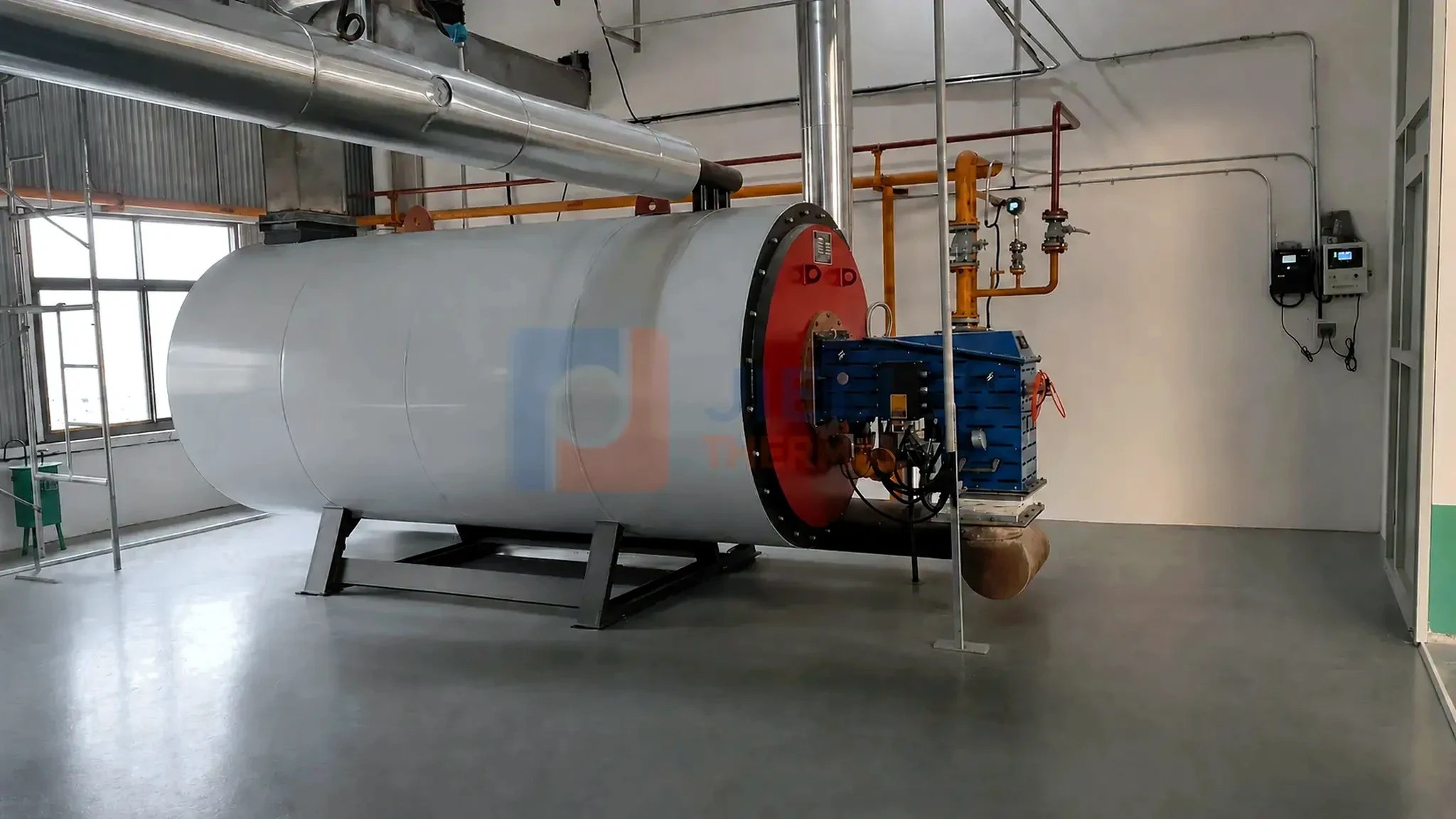
Gas-fired thermal oil heater
High-temperature process heat using natural gas, diesel or fuel oil, with matched pumps, expansion vessels and controls.
View technical product details →International project support
JIELI THERMAL supplies thermal oil heaters, industrial steam boilers and complete boiler systems from China. Start with the process, fuel and site conditions, then use the guides for South America (Spanish), Brazil (Portuguese), Southeast Asia (English and local languages) or Russian-language projects to prepare the quotation basis.
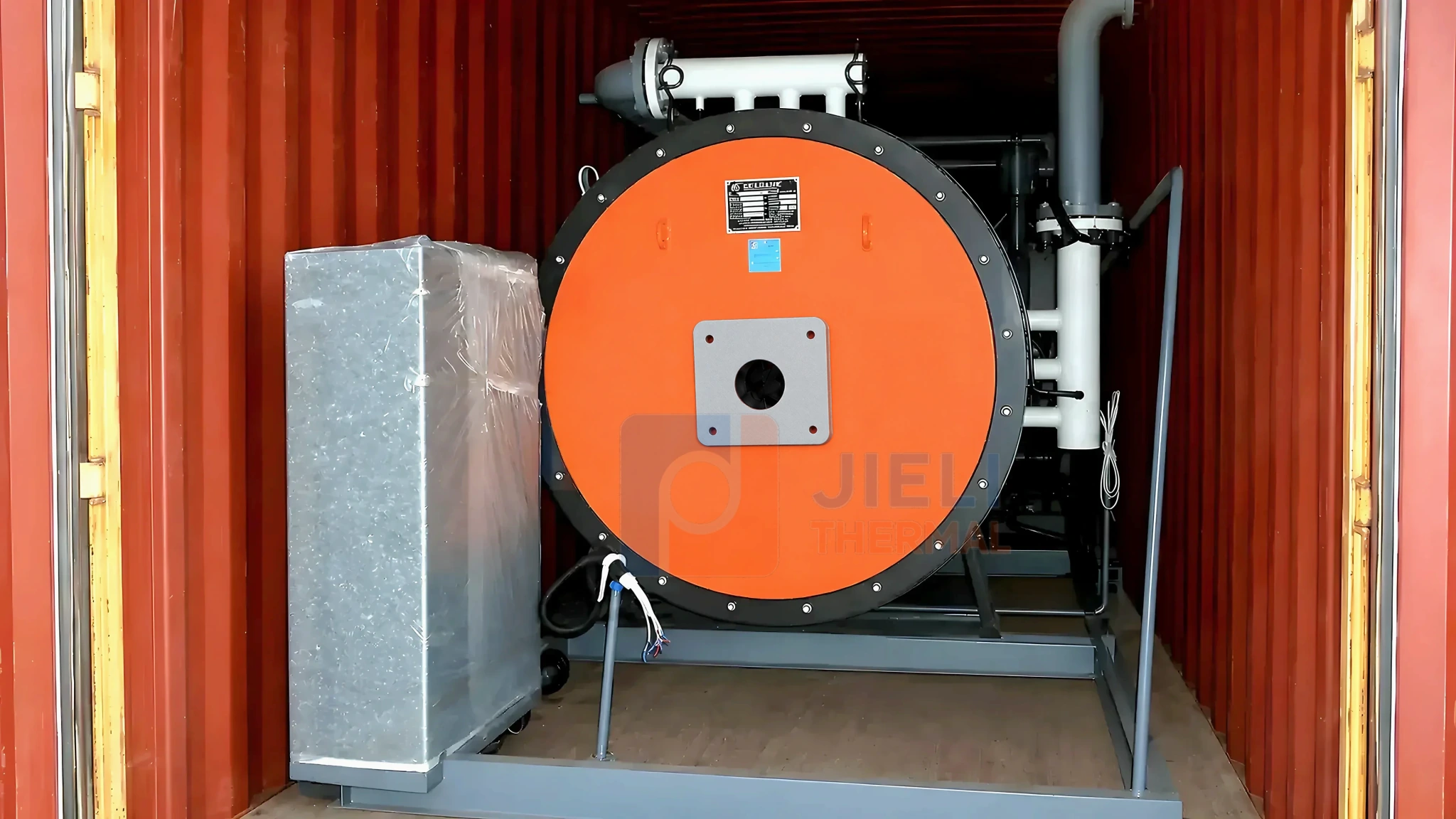
Product families
Our engineers coordinate the boiler body, combustion equipment, circulation or feedwater system, controls, heat recovery and export arrangement as one project package.
High-temperature process heat using natural gas, diesel or fuel oil, with matched pumps, expansion vessels and controls.
View technical product details →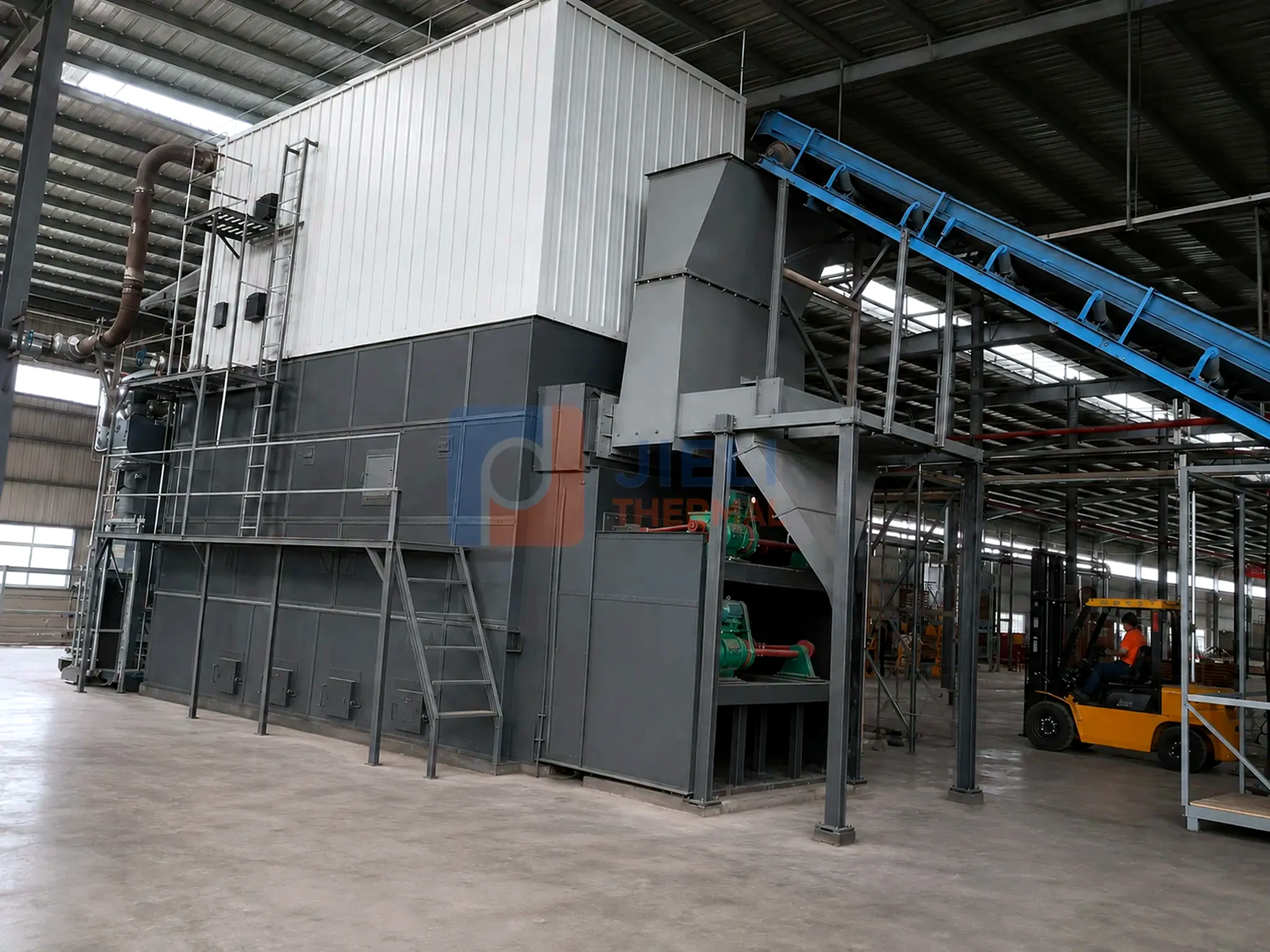
Thermal-fluid heating using wood chips, pellets, agricultural residues or other approved solid fuels.
View technical product details →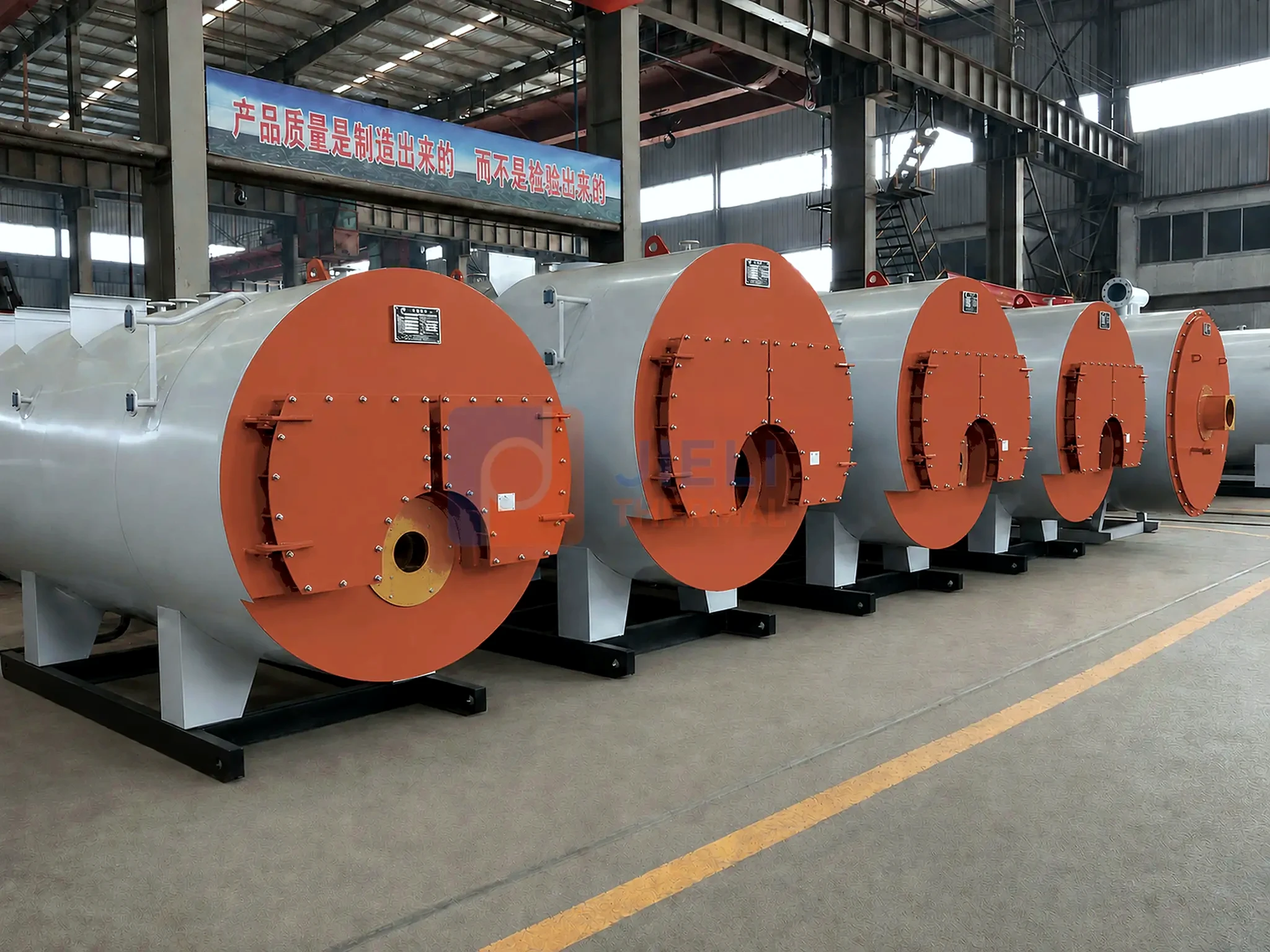
Industrial process steam with burner, feedwater, water treatment, economizer and condensate-recovery options.
View technical product details →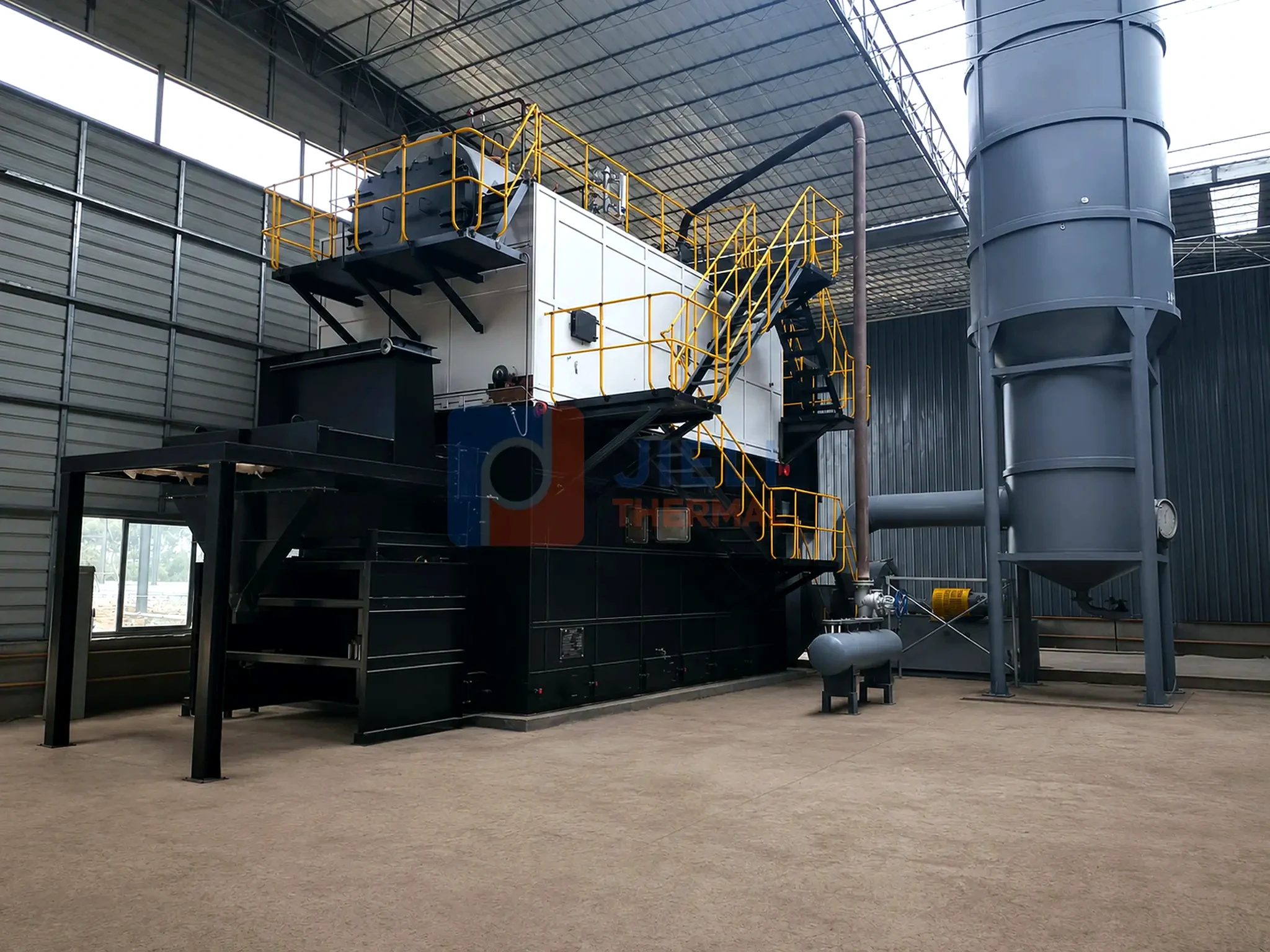
Steam generation configured around fuel moisture, particle size, feeding method, grate and dust-control requirements.
View technical product details →Project definition
A useful quotation needs more than capacity. Send the following data so the boiler and auxiliary system can be selected together.
Required heat load or steam consumption, operating hours, peak demand and turndown profile.
Thermal-oil supply and return temperature, or required steam pressure and steam condition.
Natural gas pressure and composition, liquid-fuel grade, or biomass type, moisture and particle size.
Project country, altitude, ambient temperature, power supply, water quality and installation space.
Applicable emission limits, stack arrangement, dust collection and local inspection requirements.
Boiler only or a complete system including auxiliaries, control cabinet, piping design and export packing.
Buyer knowledge
Heat duty, operating temperature, burner or solid-fuel system, circulation pumps, expansion and storage vessels, controls, heat recovery and delivery scope all affect price. A capacity-only price can omit equipment required for safe operation.
Start with each steam consumer, simultaneous demand, startup load, heat loss and a sensible operating margin. Pressure, feedwater temperature and condensate return then determine fuel use and auxiliary sizing.
A practical diagram shows water treatment, feedwater tank, pumps, economizer, boiler, steam header, process users, condensate return, blowdown and safety discharge. Our new piping guide explains this flow in detail.
Compare the pressure-part design, material traceability, welding and inspection records, combustion matching, control logic, documented supply boundary and ability to support commissioning—not only the boiler shell price.
Regional search support
For Latin American enquiries, use the Spanish-language product and enquiry entry, the Argentina and Chile project references, or the Portuguese quotation guide for Brazil. Buyers in Haiti can use the French-language enquiry page. Buyers needing other documentation languages can use this English enquiry route and state their requirements.
For Russia, Kazakhstan, Uzbekistan, Kyrgyzstan, Tajikistan and Turkmenistan, start with the Russian-language boiler selection and project enquiry. State the destination, design conditions, delivery boundary and required documentation; destination acceptance and supply feasibility are agreed for each project.
English project documents are also available for Pakistan, Australia, Cambodia, Nigeria and South Africa. Existing Arabic pages cover project enquiries for Egypt and the Middle East; Indonesian, Vietnamese and Thai pages remain available. Regional information does not imply a local office, stock or a completed installation in every country.
For manufacturer due diligence, review our China boiler manufacturing base, production workflow and inspection evidence.
Regional guide: thermal oil heaters, steam boilers and biomass systems for Southeast Asia →
FAQ
Yes. The supply boundary can be boiler-only or a coordinated system. We recommend confirming which auxiliaries will be sourced locally before final design.
Many projects can be configured with a matched gas, light-oil or dual-fuel burner. The final burner and fuel train depend on the available fuel specification and local requirements.
Send capacity, temperature or steam pressure, fuel, application, country, power supply and preferred supply boundary. Photos or a layout of the installation area are also useful.
No. Altitude, ambient conditions, electrical supply, water quality, fuel properties, logistics and applicable inspection requirements can change the configuration.
Start a project
Tell us the project country, application, capacity, fuel and operating conditions. We will respond with the questions needed to define the right system.