

1. Match the heating medium to the textile process
Stenters, hot-air dryers, heat-setting machines and some finishing equipment can use a thermal oil circuit to transfer high-temperature heat through exchangers. Dyeing vessels, washing, humidification and other users may require steam. One plant can therefore have both utilities; forcing every load onto one medium can add unnecessary conversion losses or control complexity. For dyeing, washing and finishing demand, continue with the textile industry steam boiler selection guide.
Use the thermal oil versus steam comparison to identify where temperature, pressure, condensate, water treatment and direct-steam demand change the decision.
2. Build a production-line heat-load schedule
A reliable selection cannot be made from fabric output alone. List each line, its heat-exchanger duty, supply and return temperatures, warm-up time and shift pattern. Record normal, minimum and peak production as well as simultaneous start-ups.
- Number and type of stenters, dryers, calendars and finishing lines
- Heat duty or exchanger data for each user
- Required supply temperature, return temperature and control tolerance
- Batch or continuous operation, shifts and planned production expansion
- Existing thermal oil, piping size, branch elevations and heat users
- Ambient temperature, altitude, electrical standard and installation space
The duty schedule prevents a simple sum of nameplates from becoming an oversized heater that cycles at normal production.
3. Compare fuel and combustion arrangements
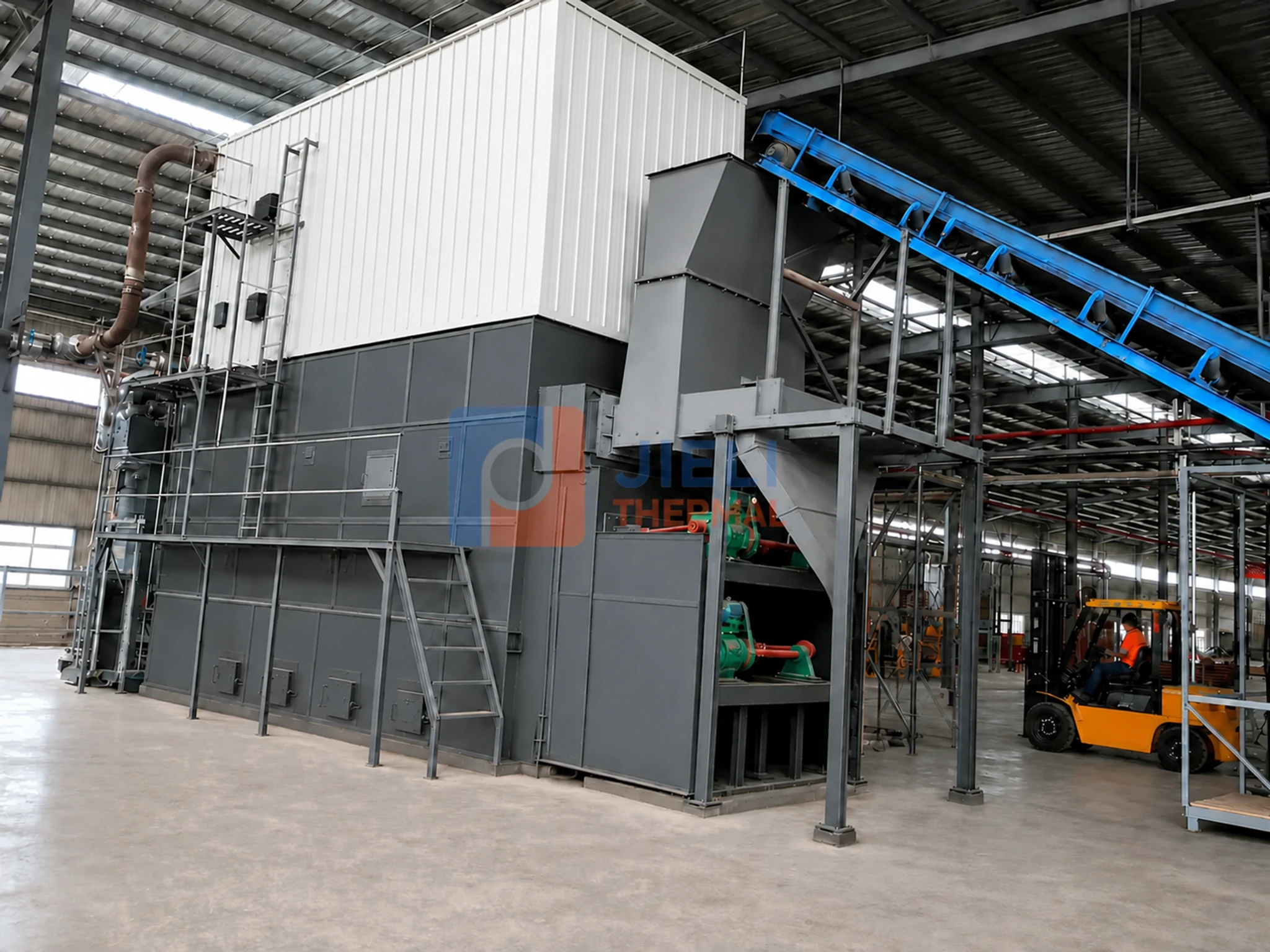
A gas- or oil-fired thermal oil heater can suit plants that prioritize automatic modulation, a compact plant room and cleaner fuel handling. A biomass-fired thermal oil heater may suit sites with an economical, consistent fuel supply and enough space for storage, feeding, ash handling and flue-gas treatment.
Fuel selection should compare delivered energy cost, moisture or composition variation, local emissions requirements, operator workload, turndown and backup-fuel policy—not only the purchase price of the heater.
4. Coordinate circulation and temperature control
The circulation pump must provide the flow required by the heater and users at hot-fluid properties. Branch balancing is especially important when several production lines open and close independently. A bypass or control-valve strategy should maintain the heater’s minimum flow and avoid temperature shocks during line changes.
Review the preliminary thermal oil pump flow and head method. Final pump selection must use the complete hydraulic model, fluid data, NPSH conditions and manufacturer curve.
5. Plan expansion, fluid care and textile-site risks
Thermal oil expands as temperature rises, so the expansion system must be based on total fluid charge, cold-fill condition, maximum operating temperature and the tank’s usable operating band. The thermal oil expansion tank guide explains the preliminary method.
Lint and dust management also matter in a textile plant. Air intakes, electrical equipment, hot surfaces and cleaning access should be reviewed against the plant’s housekeeping and fire-safety plan. Fluid sampling, leak inspection, strainer maintenance and insulation condition should be part of the operating program.
6. Define the quotation boundary
State whether the supplier should include the heater, burner or biomass equipment, circulation pumps, expansion and storage tanks, heat recovery, dust collection, stack, control cabinet, field instruments, valves, engineering drawings and commissioning support. Provide the required code and local inspection responsibility.
Review the industrial thermal oil heater range, model terminology and capacity guide. A complete RFQ should include fuel data, production load schedule, temperature schedule, site utilities, plot plan and the plant’s preferred redundancy philosophy.