


INDUSTRIAL STEAM ENGINEERING
How to Select an Industrial Steam Boiler: Capacity, Pressure, Fuel and System Design
Select an industrial steam boiler from simultaneous demand, pressure and load variation. Then specify fuel, water treatment, controls and heat recovery.
THE SHORT ANSWER
Size the steam system from a measured demand profile.
Define the process first
- Normal, minimum and peak steam demand;
- Required pressure and steam condition at each user;
- Operating hours, start-up peaks and future expansion.
Then define the plant
- Boiler type, quantity, fuel and turndown;
- Feedwater, treatment, blowdown and condensate return;
- Controls, emissions equipment and heat recovery.
Confirm local code, emissions and feedwater requirements. Compare the JIELI steam boiler range and published specifications.
01 · STEAM LOAD
Start with demand over time, not one capacity number.
An industrial steam boiler has to follow the factory, so the design team needs more than a peak figure in tonnes per hour. List each process user, its normal and maximum consumption, warm-up duty, batch timing and operating pressure. Then identify which users run simultaneously.
Check peak duration and minimum load. Long periods below stable firing cause cycling. Consider staged boilers where the demand range or standby requirement justifies them.
02 · PRESSURE & STEAM CONDITION
Generate the pressure the process actually requires.
For saturated steam, pressure fixes temperature. Set boiler pressure from user demand plus distribution and control-valve losses.
Specify saturated or superheated steam and any direct-contact purity requirement. Size separators, drains, traps and distribution piping to deliver the required steam quality.
03 · BOILER & FUEL
Match boiler construction and combustion to the project.
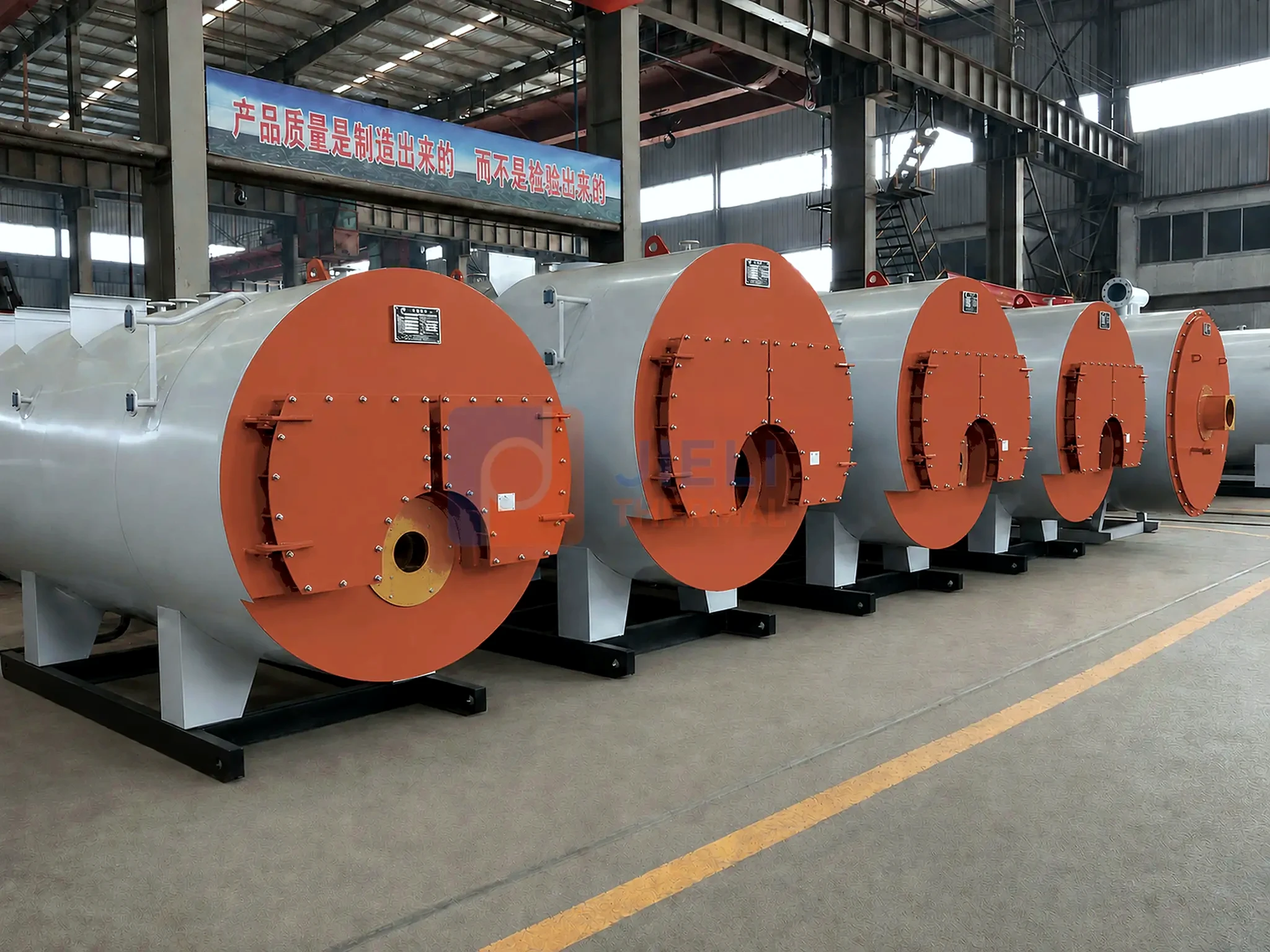
Compare shell and water-tube construction against capacity, pressure, load response, transport and maintenance requirements.
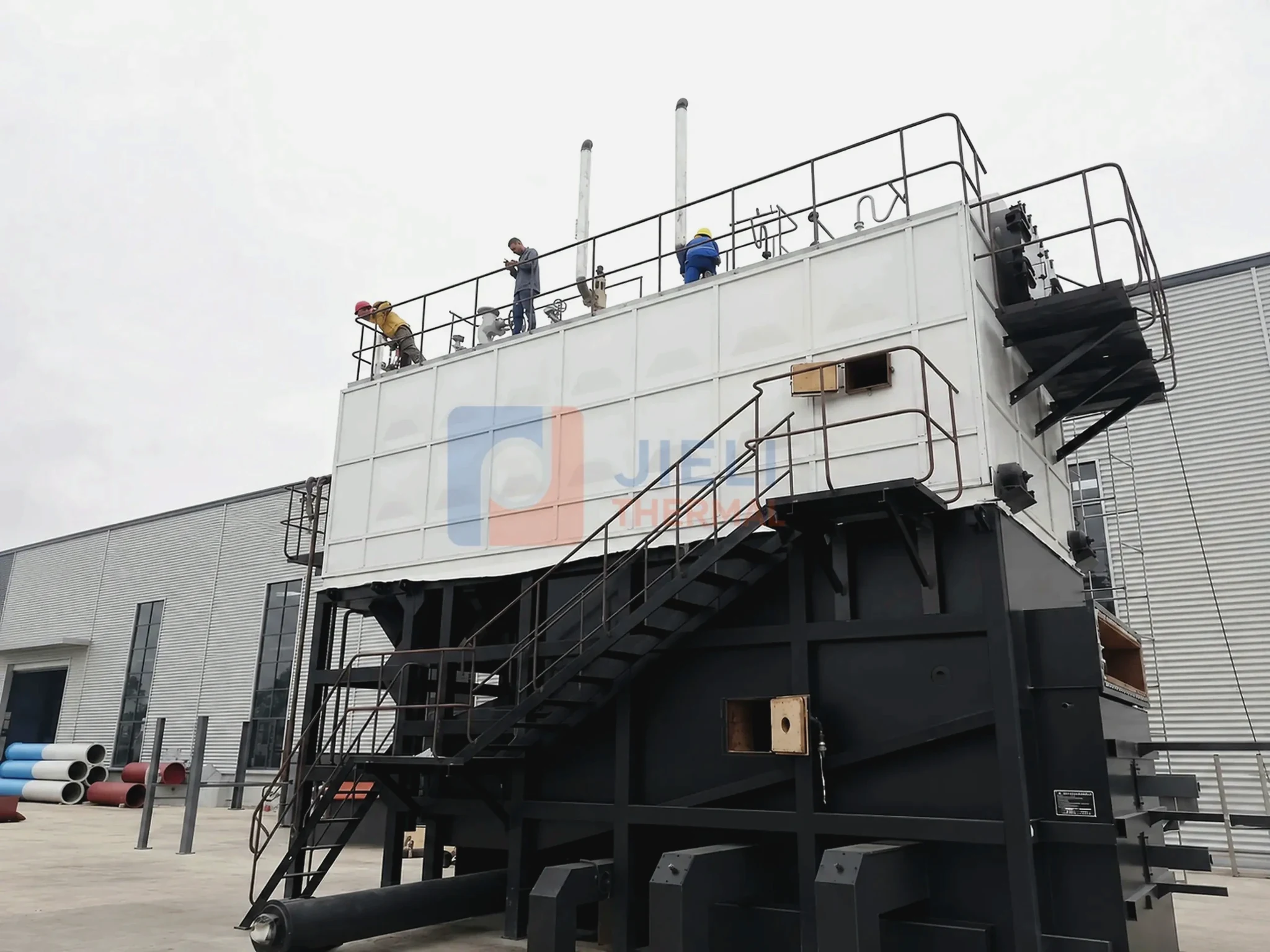
Gas and liquid fuels require a matched burner and supply system. Biomass and coal-fired steam boiler projects also need fuel preparation, feeding, ash removal and emissions control suited to the fuel analysis.
04 · FEEDWATER & CONDENSATE
Water treatment is part of boiler engineering.
Use raw-water analysis to select treatment and deaeration. Agree feedwater and boiler-water limits, dosing and monitoring responsibilities with the water-treatment specialist.
Suitable hot condensate is valuable because it already contains heat and normally requires less treatment than makeup water. Condensate quality, contamination risk, return pressure and receiver arrangement must be reviewed before it is returned. Blowdown control and practical heat recovery should be evaluated as part of the same water-and-energy balance.
05 · COMPLETE-SYSTEM CONTROL
Coordinate combustion, water level and plant protection.
The control philosophy should cover burner or fuel-feed permissives, drum or shell water level, feedwater control, pressure modulation, furnace draft, flame or combustion supervision, fan status, trips and alarms. The operator must be able to see the condition that caused a trip—not merely that the boiler stopped.
Economizers, air preheaters and condensate recovery can improve the plant when they are matched to real flue-gas, water and load conditions. Efficiency claims should state their basis and operating point. A practical design prioritizes safe stable operation before adding optional recovery equipment.
06 · PROJECT INPUTS
Prepare these data before requesting a proposal.
- Normal, minimum and peak steam flow;
- Required operating pressure and steam condition;
- Process users, schedule and start-up profile;
- Fuel analysis, supply pressure and available utilities;
- Raw-water analysis and expected condensate return;
- Altitude, ambient range and installation constraints;
- Required code, inspection and documentation scope;
- Local emissions limits and available stack arrangement;
- Redundancy, future expansion and automation expectations.
Compare this demand profile with the industrial steam boiler range, then review gas / oil model specifications or biomass model specifications. The Argentina 12 t/h gas-fired steam boiler project provides a documented reference for comparing a proposed configuration. It is not a substitute for your project-specific selection.
Send these project details on WhatsApp. Enter the known values in the editable draft.
ENGINEERING REFERENCES
Further technical reading.
FREQUENTLY ASKED QUESTIONS
Industrial steam boiler selection FAQ
What information is needed to size an industrial steam boiler?
Define normal and peak steam flow, required pressure and steam quality at each user, operating schedule, start-up demand, condensate return, feedwater temperature, fuel, site altitude, emissions requirements and future expansion. A single nameplate capacity is not enough to engineer a stable boiler plant.
Should a steam boiler be selected only from peak demand?
No. Peak demand matters, but minimum stable load, demand duration, simultaneous users and operating redundancy also affect the correct arrangement. Multiple boilers or a well-matched modulating boiler can be more practical than one oversized unit.
What is the difference between a shell boiler and a water-tube boiler?
In a shell or fire-tube boiler, hot gas passes through tubes surrounded by water. In a water-tube boiler, water and steam circulate inside tubes heated externally. Capacity, pressure, load response, transport limits, code requirements and project economics determine which arrangement is appropriate.
Why are feedwater treatment and condensate return part of boiler selection?
Water quality affects scale, corrosion, blowdown and equipment life. Returning suitable hot condensate can reduce makeup water, chemical use and feedwater heating demand. These systems therefore change both boiler performance and lifecycle cost.
Can a biomass steam boiler be fully automatic?
Automation can coordinate fuel feeding, grate speed, combustion air, furnace draft, water level and protection logic. The achievable operating range and response still depend on fuel consistency, furnace design, instrumentation, emissions equipment and the complete plant configuration.
CAPACITY CALCULATION
Turn the user schedule into a transparent boiler load.
The steam boiler capacity calculation guide shows how to combine process users, warm-up peaks, pressure, feedwater and justified contingency without arbitrary oversizing. Food plants can continue to the food processing steam system guide.